Welcome to explore our most complete wildlife topic about The African Great Migration mostly know as Serengeti Mara
Great Migration safari.
Based in this phenomenon find our most complete "5 Ws" about The Great Migration event; it is the What (the largest movement of land animals on Earth), driven by the Why
(the relentless search for life-sustaining water and pasture), occurring When (a precise, year-round calendar cycle), crossing the iconic
landscapes of the Where (the connected Serengeti and Maasai Mara ecosystems).
Through understanding these core in 5 Ws is the essential first step in transforming your dream safari into a reality. Our guide on Great Migration
not only dissects the migration's annual rhythm only but also serves as your practical roadmap for planning the best Serengeti and Maasai Mara
Great Migration safari tours. We cover everything you need to know. logistic detail, from the
best ways to get in and out of these remote parks—whether by scenic bush flights or overland driving tours—to a comprehensive breakdown of
the Great Migration safari tour packages. You will find options tailored to every preference, spanning comfortable mid-range accommodation, enhanced upper mid-range
camps, semi-luxury lodges, and exclusive super-luxury safaris, ensuring you find the perfect way to witness this unparalleled natural
spectacle.
The African Great Migration is the largest land animal migration in Africa and all over the Earth, a continuous, year-round, circular journey of millions of
animals across the Serengeti-Mara ecosystem in Serengeti national park, Maasai Mara National reserve and Ngorongoro Ndutu Area,
driven by instinct and the search for fresh
grazing and water. It is one of the most spectacular and dramatic natural events in the world, often called "the greatest show on Earth"
The Great Migration is not a single, brief event, but rather a perpetual, circular movement of massive herbivore herds across the
vast Serengeti-Mara ecosystem. It is the largest overland animal migration in the world.
The core participants number roughly:
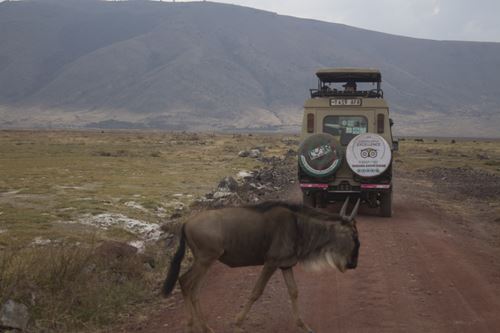
1.5 million wildebeest (Connochaetes taurinus).
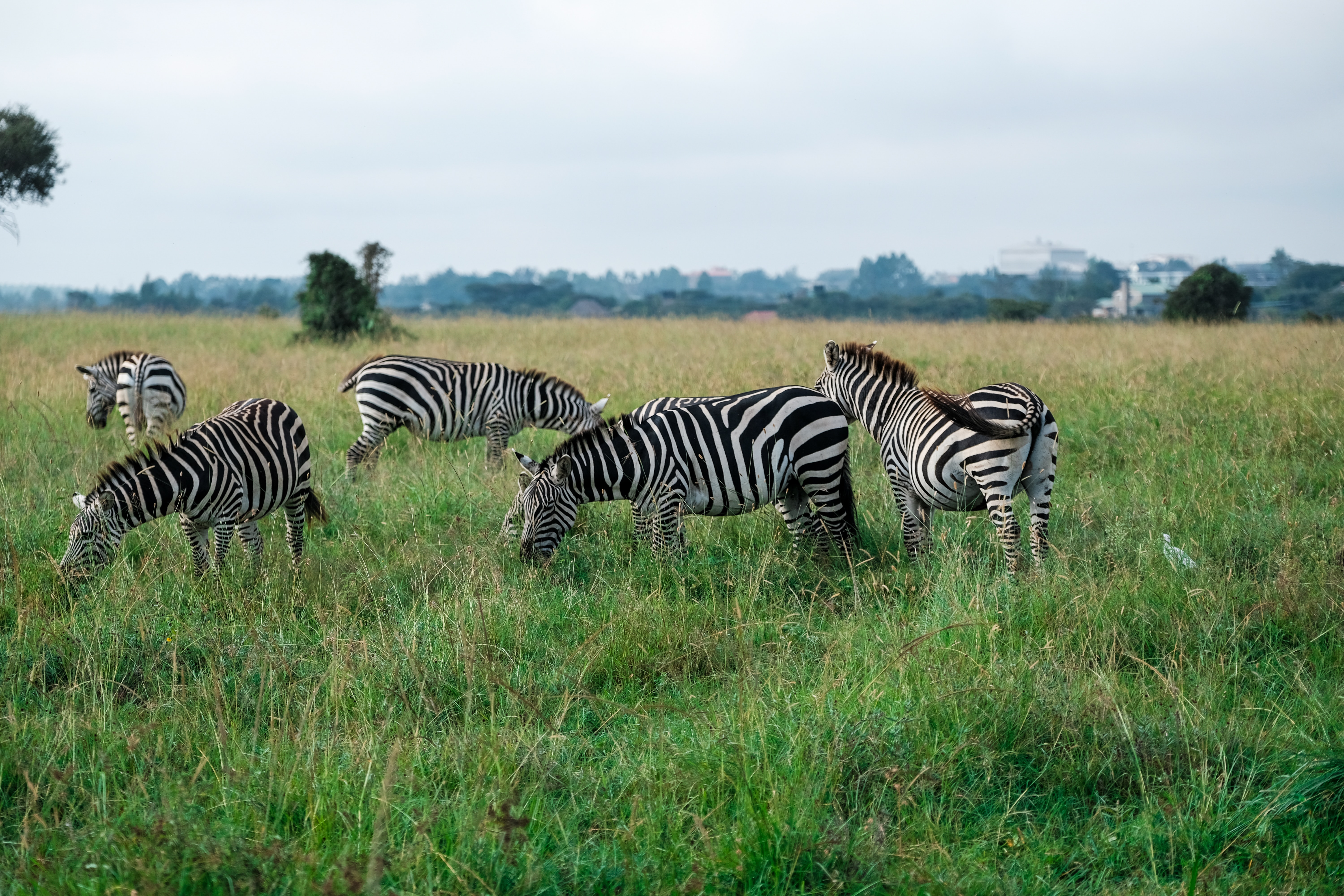
200,000 plains zebra.
300,000+ gazelles and impalas.
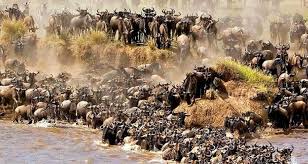
This continuous cycle of life and death is a dramatic display of nature's raw power. While the term "migration" implies constant
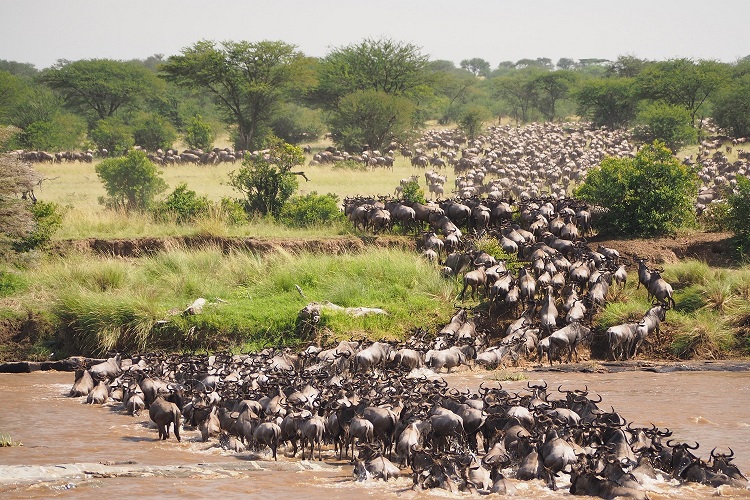
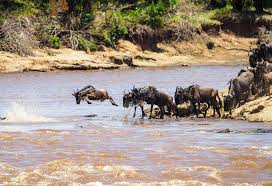
movement, the most famous and sought-after moments are the calving season in the south and the perilous Mara River crossings
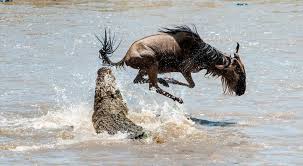
in the north, where herds battle powerful currents and opportunistic crocodiles.
The migration traverses a single, continuous ecosystem that spans two East African countries:
Serengeti National Park (Tanzania):
This vast area comprises the majority of the migration's range, covering the southern calving plains,
the western corridor, and the northern plains bordering Kenya.
Maasai Mara National Reserve (Kenya):
A smaller, but incredibly rich reserve where the herds converge typically during the dry season (July
to October) before heading south again.
The migration route is essentially a 1,200-kilometer (750-mile) clockwise circuit driven entirely by the availability of pasture.
The animals respect no human-drawn park boundaries, moving freely between the Serengeti's formal park borders and the surrounding
private conservancies.
3. When is the best time to see The Great Migration?
The Great Migration happens 365 days a year. The "best" time to visit depends entirely on which specific behavior you hope to witness.
Time of Year
Location (General)
Key Highlight
**Dec - Mar**
Southern Serengeti (Ndutu region)
**Calving Season:** Hundreds of thousands of calves are born within a few weeks, attracting many predators.
**Apr - May**
Western Corridor/Central Serengeti
The long rains push the massive herds north and west; movement is constant but can be harder to track.
**Jun - Jul**
Western/Northern Serengeti
Herds gather near the Grumeti and Mara Rivers; the start of the river crossings begins.
**Aug - Oct**
Northern Serengeti & Maasai Mara
**Peak River Crossings:** The iconic, dramatic crossings of the crocodile-infested Mara River.
**Late Oct - Nov**
Eastern Serengeti/Serengeti Plains
Short rains begin, drawing herds back down to the southern plains for fresh grass.
4. Why do they migrate?
The migration is a classic example of instinctual survival strategy. The primary motivation is simply the relentless pursuit of water and
nutrient-rich, green grass.
The animals follow the cyclical pattern of the region's two main rainy seasons; the short rains and the long rains. They have evolved to
move toward areas where rainfall has recently occurred, ensuring a constant supply of fresh food. It is a biological imperative to sustain
the massive populations that make up the herds, moving away from areas that have become arid and overgrazed.
5. Who are the main participants In Great Migration?
While the wildebeest are the undisputed stars of the show, the "Who" includes a full cast of characters that define this entire ecosystem:
The Herbivores (The Followers):
Wildebeest lead the way, but they are joined by zebra, who have a different digestive system and eat the taller,
coarser grass first, preparing the plains for the wildebeest. Gazelles follow the wildebeest.
The Predators (The Hunters):
The spectacle of millions of potential meals means that the entire cast of Africa's great predators follows closely behind. You can expect high concentrations of lions, cheetahs, leopards, hyenas, and the enormous Nile crocodiles lying in wait at every major river crossing.
Serengeti National Park - Great Migration Safari Tours In 2026 - 2027
Serengeti National Park is a primary ground and home of the Great Migration annually from December to early October making 80% of
their ecosystem, a fact that underscores
its critical importance as the unparalleled stage for one of nature's most magnificent spectacles. The annual cycle of over 1.5
million wildebeest and zebras seeking fresh grazing is an elemental force that defines this landscape, dictating the rhythm of life
and death across the plains. This relentless movement attracts a staggering concentration of predators and is a must-see event for
any serious wildlife enthusiast or traveler seeking a profound connection with the wild. Africa Tour Radar we are
proudly to offer you the best Serengeti Great Migration safari tours with meticulously rescheduled and pre-planned tour packages.
Our expertly crafted itineraries range from 1 day to 8 days, including flexible options like drive-in and drive-out safaris,
but also efficient fly-in and fly-out arrangements. We provide a wide range of service levels to suit every preference, from
affordable
and mid-range options to upper mid-range, semi-luxury, and super luxury offers available throughout this 2026 - 2027 season.
Best Time For Serengeti Great Migration Safari Tours
The best time to experience The Great Migration safari tour in Serengeti national park is during the dry season from June, July, August, September to October,
which is the peak time for witnessing the iconic and dramatic Mara River crossings. However, as the migration is a continuous, year-round
cycle, the truly best time depends entirely on which specific event you wish to observe. Explore all Great Migration seasons for your
best time to visit Serengeti or Maasai Mara for great adventure in this season of 2026 - 2027.
Dry Season: The Best Time Serengeti Great Migration Safari
The dry season in Tanzania is during the months of June, July, August, September and October, it is widely regarded as the best time for
Serengeti Great Migration safari. The dry season offer unparalleled
wildlife viewing opportunities and the chance to witness nature's most dramatic spectacle: Mara River, the iconic river crossings.
The primary dry season in the Serengeti runs from June to October.
The key periods for migration-related events during this time are:
June-July: The herds gather in the Western Corridor, preparing for and beginning the Grumeti River crossings.
July-October: The migration moves to the Northern Serengeti, where the famous and dramatic Mara River crossings
occur as animals move between Tanzania and Kenya's Maasai Mara.
During this period, the migration is concentrated in the Western Corridor (around the Grumeti River in June/July) and the Northern Serengeti
(along the Mara River from July to October).
The herds move in a continuous, clock-wise search for fresh water and new pastures, making these areas the focal points of activity.
At Africa Tour Radar, this is the peak season and most popular for experiencing the Serengeti great migration event, we offer the best safari
tour packages starting from Arusha, Moshi, Zanzibar or Mwanza especially in this season of 2026 - 2027. Our Serengeti Great Migration safari
tour experience in this season of 2026 - 2027 offered in guided tour packages ranging from 4 to 8 days of experience.
Calving Season: The Best Time for Serengeti Great Migration Safari
The calving season in Tanzania is during the monthes of December, January, February, and March, is an exceptional time for a Serengeti
Great Migration safari, offering unique and intimate wildlife viewing opportunities centered around the new life and subsequent dramatic
predator activity. The calving season is primarily falling within Tanzania's short dry season and
extending into the beginning of the short rains. A calving season safari offers a different, yet equally compelling, experience compared to the river crossings:
Birth of Thousands: Witness the miracle of birth as an estimated 400,000 wildebeest calves are born within just a few weeks.
Intense Predator Action: The abundance of easy prey makes this period a hunting hotspot. Pride of lions, cheetahs, leopards, and
hyenas are highly active, seeking out vulnerable newborns.
Lush Landscapes: The preceding short rains leave the plains green and lush, offering a beautiful contrast to the typical dry
season and providing excellent visibility.
During this season of 2026 - 2027, the calving season is arguably one of the best time for a Serengeti safari because the migration is concentrated and predictable in the Ndutu
plains, offering unparalleled opportunities to witness the miracle of thousands of wildebeest births firsthand; this massive influx
of vulnerable newborns also triggers intense and
frequent predator activity, making it the prime season for observing high-action hunts and the raw, unedited drama of the circle of life.
Africa Tour Radar, we oofer the best safari tour packages for your best experience in this season of 2026 t0 2027, Serengeti Great Migration
Safari tour packages ranging from 3 days to 8 days experience.
Green Season: The Best Time for Serengeti Great Migration Safari
The "Green Season," which corresponds to the main rainy season in Tanzania is during the monthes of April and May, offers a unique and
different set of reasons why it also considered as one of the best time to experience the
Serengeti Great Migration safari, primarily due to fewer tourists, vibrant landscapes, and a different phase of the migration cycle.
During the peak of the green season, the migration is generally transitioning or moving north from the Ndutu plains after the calving
season. The specific location can be fluid as they follow the new grass; the herds might be observed around the southern plains, moving
into the Western Corridor, or
making their way up through the central Seronera region, depending on the exact timing of the rains and the resulting new pasture growth.
The green season is arguably one of the best time for a Serengeti Great Migration safari in 2026 - 2027 for travelers who value exclusivity,
exceptional photographic opportunities, and a more affordable experience over the famous river crossings.
The green season is the best time for a Serengeti Great Migration experience in 2026-2027 because the clear air and dramatic storm clouds
provide unparalleled photographic conditions, and significantly lower tourist numbers allow for a peaceful, secluded encounter with the
wilderness. Additionally, the lower demand often translates to more affordable safari packages and better availability at sought-after
camps, making a dream safari more accessible. This season is less about the single, iconic river crossing event and more
about witnessing the rapid rejuvenation of the ecosystem and the intimate, raw moments of life and death unfolding in a vibrant setting.
Dry Season: Best Time for Maasai Mara Great Migration Safari
In the Maasai Mara, the months of July through October are the best time for a great migration
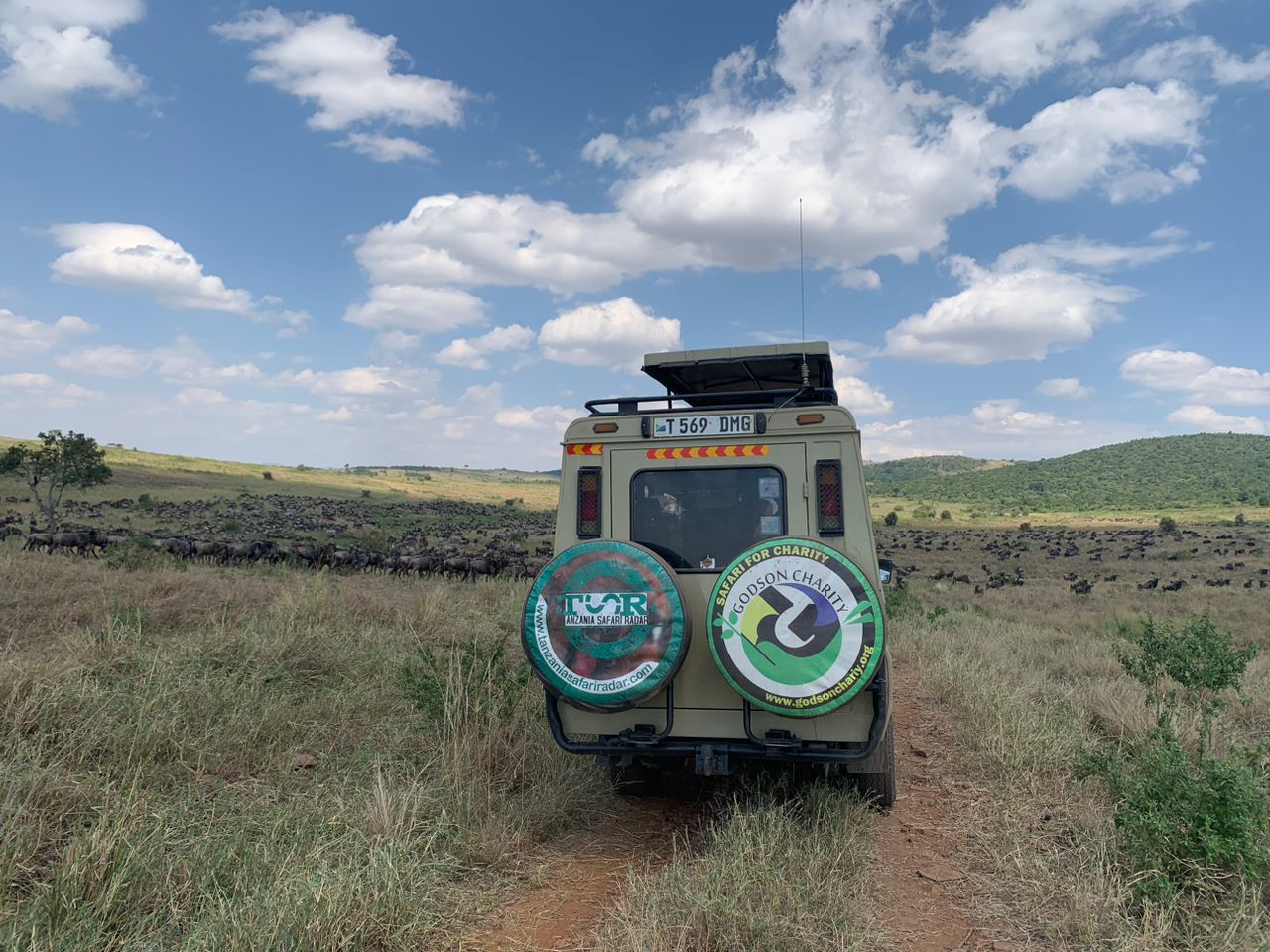
experience, when over a million wildebeest and zebra complete their journey from the Serengeti to Kenya in search of fresh grazing
grounds.
The Great Migration typically arrives in the Maasai Mara in late June or early July and stays until the herds begin moving back
towards the Serengeti around late October or November, following the promise of the short rains.
The migration activity is concentrated in the areas adjacent to the Mara and Talek Rivers. These river systems are the focal points
for the most anticipated and dramatic events of the migration cycle: the river crossings.
Africa Tour Radar now we are officially extended to Kenya as Kenya Safari Radar, we are offering you the best Maasai Mara Great
Migration experience in this season of 2026-2027. Our expertise in crafting unforgettable wildlife encounters in East Africa has now
expanded to offer seamless, best Kenya safari tour packages that capture the very best of both nations. With our best-guided Great
Migration safari tours, you are perfectly positioned to witness the
heart-stopping river crossings and follow the massive herds of wildebeest and zebra as they complete their epic journey into the Maasai Mara.
Contact us today for the quick and free reservation for your next Great Migration adventure in this season of 2026 - 2027 as solo, friends,
and family holiday to Africa.
How To Get Into and Out of Serengeti For Great Migration Experience
At Africa Tour Radar, we offer the Serengeti great migration safari experience with different ways of getting into and out of the
Serengeti. Our Great Migration safari tours in this season of 2026 - 2027 provide two primary transport options:- driving and flying which combine to offer four distinct logistical
choices, allowing you to tailor your journey based on your budget, time constraints, and desire for a specific type of Serengeti
Great Migration safari experience in this season of 2026 - 2027
A. Drive-In and Drive-Out
This is an option to choose on thow to get in and out of Serengeti, the traditional and most budget-friendly
option. This option involve travelling by safari vehicle from a major hub, usually Arusha, to the Serengeti and return the same way
at the end of your trip. You can choose this option for your next adventure to experience the Great Migration in this season of
2026 - 2027.
Experience: This choice allows you to witness the changing landscapes from the surrounding conservation areas and national parks
(like Tarangire or Ngorongoro Crater) to the plains of the Serengeti, providing a comprehensive understanding of the ecosystem.
Best For: Travelers on a tighter budget, those with more time, and individuals who enjoy long scenic drives and want to maximize ground
coverage.
B. Drive-In and Fly-Out
This is an option to choose for your Serengeti Great Migration experience that involve starting your safari on
the road, then conclude your trip with a scenic flight back to Arusha (or onward to Zanzibar). This is a best option for those looking to
attend Zanzibar beaches after Great Migration safari explore, this simplify from coming back to Arusha the flight to Zanzibar.
Experience: Enjoy the initial road journey through other parks, then save time on the return trip with a convenient, panoramic
light aircraft flight over the vast plains of the Serengeti.
Best For: Those who want a balance between budget and time saving, and the unique experience of a bush
flight.
C. Fly-In and Drive-Out
This is an option to choose for get in out of Serengeti for your Great Migration Safari experience,
it involve fly directly into one of the Serengeti's airstrips(Seronera/Kogatende/...) from Arusha or Zanzibar, and then drive out
via vehicle at the end of your safari. This offer allow to save time by flying in the beginning of your safari tour and get a
chance to experience other destinations such like Ngorongoro Crater due to end-up with driving out.
Experience: This maximizes your time within the park from day one, allowing for immediate game drives.
The drive out provides a good transition and a different perspective of the surrounding areas you might have missed when flying in.
Best For: Travelers short on time at the beginning of their trip, but who want to enjoy a scenic road
journey on the way back.
D. Fly-In and Fly-Out
This is the fourth option for your choice to get in and out of Serengeti to experience the Great Migration Safati
Tour, this is the only option with most time-efficient and luxurious option. You fly from either Arusha/Zanzibar into an airstrip near/around
the Great Migration and fly out again at the end of your stay. Through this, Africa Tour Radar offer the shortest schedule ranging from
2 days to 4 days mostly and more.
Experience: Minimizes travel time on bumpy roads and maximizes your game driving time in the prime
wildlife areas. The flights themselves offer stunning aerial views of the landscape and wildlife below.
Best For: Luxury travelers, those with very limited time, and visitors who prioritize comfort and want
to spend every possible moment on game drives within the park itself.
At Africa Tour Radar, we help you choose the best combination to match your specific safari goals, ensuring your journey
into and out of the heart of the Serengeti for your Great Migration Safari tour is memorable..
Our Best Serengeti Great Migration Safari Offers In 2026 - 2027
Africa Tour Radar we offer the best safari offers to experience the Great Migration Safari in this season of 2026-2027. Our Great
Migration safari offers are designed enough to meet your needs and preferences in mind, featuring a highly flexible structure with different re-scheduled itinerary
options for your choices, all our Great Migration Safari offers target to take you deep in the heart of the Migration event. We offer the
Great Migration experience with a wide range of prices based on affordable, mid-range, upper mid-range, semi-luxury, and super luxury service,
making this once-in-a-lifetime journey accessible to all. Our focus is entirely on delivering a memorable African Great Migration
safari experience that creates lifetime memories, you will achieved through all-inclusive offers with our guided local and expert driver
wildlife guides. Furthermore, your safety is our first priority, ensuring peace of mind for our clients and the accompanying guides throughout
your entire adventure.
Our Best Serengeti Great Migration Safari Tour Packages for 2026 - 2027
Best Drive-In - Drive-Out Serengeti Great Migration Safari Tour Packages for 2026 - 2027
1 Day Grumeti River Serengeti Great Migration Safari Tour Package from Mwanza. 2026 - 2027
1 Day Serengeti Great Migration Safari Tour from Mwanza In May to June
Maasai Mara National Reserve - Great Migration Safari Tours In 2026 - 2027
The Maasai Mara National Reserve in Kenya, representing about 20% of the wider ecosystem shared with the Serengeti for the rea Migration event,
is the critical stage for the dramatic culmination of the Great Migration. The Grea Migration in Maasai Mara is during the period from July,
August, September to October that the
vast herds of wildebeest, zebra, and other herbivores gather in the Mara and face the perilous crossings of the Mara River.
This timeframe is widely considered the best time to visit the Maasai Mara National Reserve for the best experience, specifically to
witness the river crossings, which are
a highlight of the migration. Africa Tour Radar we are offering to you the best Great Migration in Maasai Mara with best Kenya Safari tour
packages ranging from 3 to 6 days itinerary. Our best Maasai Mara Great Migration Safari tours are starting from Nairobi, Serengeti
and Mwanza, our Maasai Mara Great Migration safari involve both drive in and out but also Fly in and out with safari departures mostly
from Nairobi city.
Best Time For Maasai Mara Great Migration Safari Tours
The best time to experience The Great Migration safari In Maasai Mara national reserve is during the dry season from July, August, September to October,
which is the peak time for witnessing the iconic and dramatic Mara River crossings. However, as the migration is a continuous, year-round
cycle, the truly best time depends entirely on which specific event you wish to observe. Explore all Great Migration seasons for your
best time to visit Maasai Mara for great adventure in this season of 2026 - 2027.
Our Best Maasai Mara Great Migration Safari Tour Packages for 2026 - 2027
Best Drive-In - Drive-Out Maasai Mara Great Migration Safari Tour Packages From Nairobi. 2026 - 2027
4 Days Road-Drive Maasai Mara Great Migration Safari Tour Packages from Nairobi. 2026 - 2027
4 Days Maasai Mara Great Migration Safari Tour In July to Oct
Frequently Asked Questions (FAQ) About Great Migration Event
Click on any question below to view the answer.
1. Best Time to Visit Africa for Tour(s)?
Generally the best time to visit Africa for tours and experience is during the dry season in monthes of June, July, August to
October, during this time is ideal for most safari tours as animals congregate around waterholes. For specific experiences,
consider that the dry season is best for observing the Great Migration in Tanzania (June-August) and for general
game viewing across Southern Africa. Conversely, the green season (November-April) is better for birdwatching, diving, and potentially
lower prices, though it's the rainy season in many areas.
2. What is the best time to go on a Tanzania luxury safari?
The best time to enjoy a luxury safari in Tanzania depends on what you want to experience. The dry season, from June to October, is ideal for general wildlife viewing, as animals congregate around limited water sources, making them easier to spot. If your dream is to witness the Great Wildebeest Migration in the Serengeti, the months of July to September are perfect for seeing dramatic Mara River crossings, while December to March showcases the calving season in the southern Serengeti. For birdwatching enthusiasts and those seeking a greener, quieter safari, the wet season from November to May transforms the parks into lush landscapes teeming with life and fewer visitors. At Tanzania Safari Radar, we customize luxury safari itineraries to align with the seasons, ensuring that whether you visit during the dry or green months, your safari delivers extraordinary wildlife encounters paired with the highest levels of comfort.
3. Why choose a fly-in and fly-out luxury safari?
A fly-in and fly-out safari is the epitome of convenience and exclusivity, making it the perfect choice for luxury travelers. Instead of spending long hours driving between parks, guests at Tanzania Safari Radar enjoy seamless flights directly into the heart of the Serengeti, Mikumi, Ruaha, or Selous. Fly-in safaris not only maximizes your time in the wilderness but also provides stunning aerial views of Tanzania’s landscapes, from volcanic highlands to endless savannahs. Fly-in safaris also allow access to remote camps and lodges that are not easily reachable by road, ensuring a more private and intimate safari experience. For high-end travelers who value efficiency, comfort, and privacy, fly-in options are the gold standard, transforming a safari into a smooth, stylish, and truly unforgettable adventure.
4. Why book with Tanzania Safari Radar for a luxury safari?
Choosing Tanzania Safari Radar means entrusting your safari journey to a team that specializes exclusively in high-end and luxury experiences. We focus on creating tailor-made itineraries that combine the very best of Tanzania’s wildlife with world-class accommodations and personalized service. From exclusive fly-in Tanzania safaris to private guided tours, every detail is carefully planned to reflect your preferences, ensuring that your safari is not only luxurious but also unique. Our deep expertise in Tanzania’s parks, seasonal wildlife movements, and luxury hospitality standards sets us apart as the go-to provider for discerning travelers. Whether it’s a 1-day Mikumi fly-in safari, 2-day Serengeti fly-in safari or a 14-day extended luxury expedition, Tanzania Safari Radar guarantees an extraordinary journey filled with adventure, comfort, and unforgettable memories.
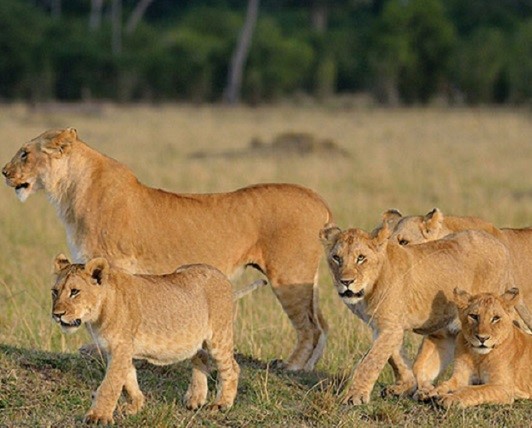 The spectacle of millions of potential meals means that the entire cast of Africa's great predators follows closely behind. You can expect high concentrations of lions, cheetahs, leopards, hyenas, and the enormous Nile crocodiles lying in wait at every major river crossing.